Is Chrome OS Merging with Android? An Analysis of Google's Future Vision
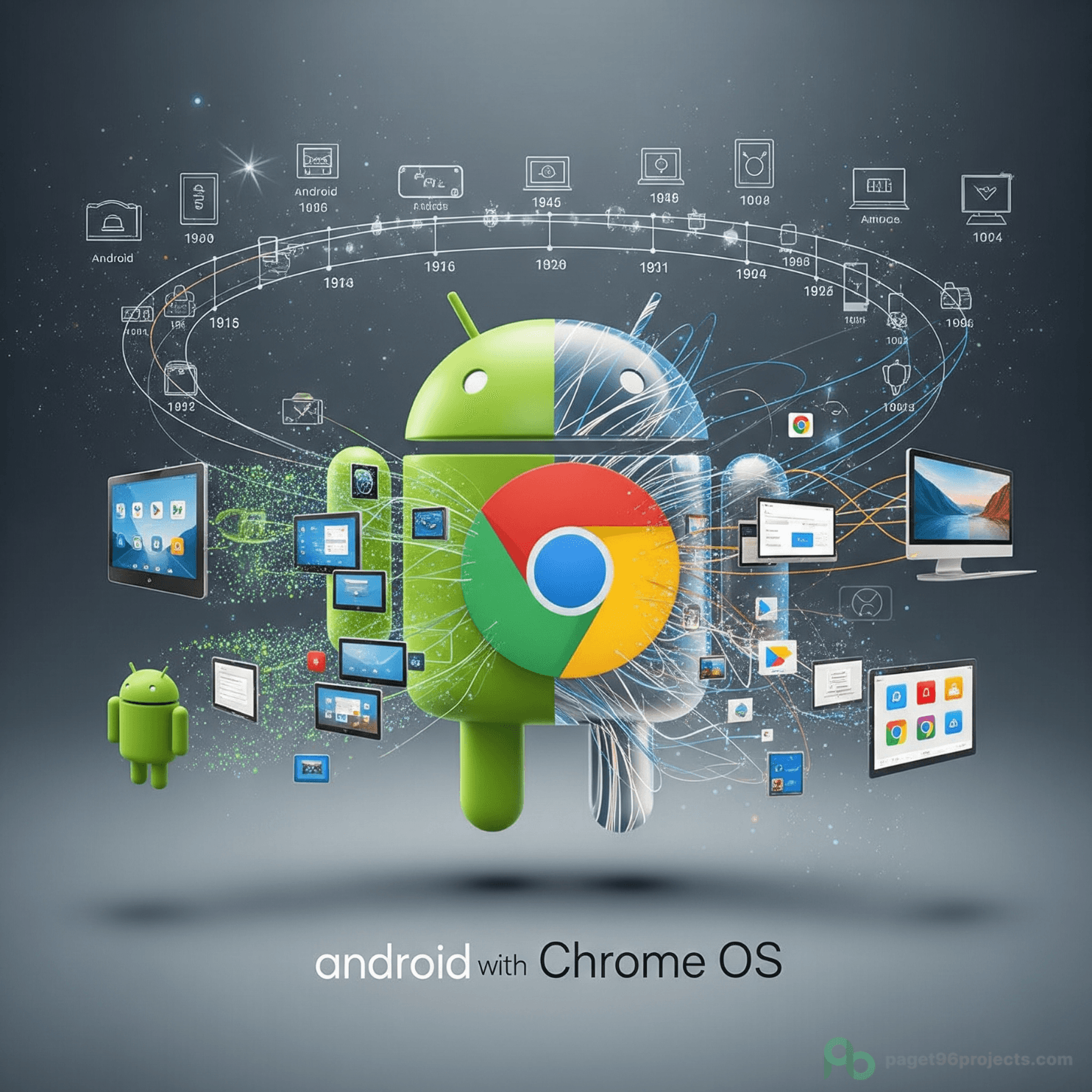
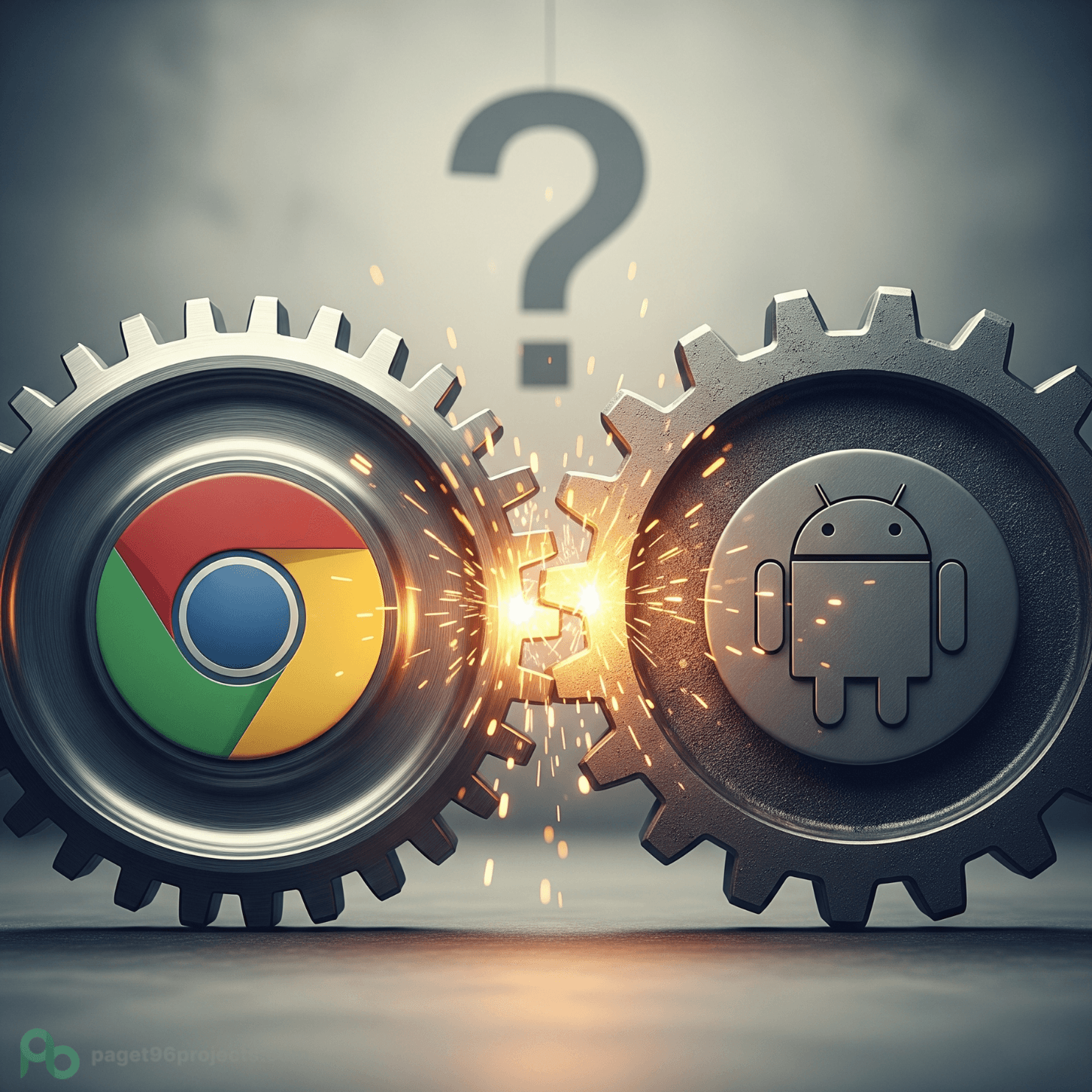
A recent interview with Sameer Samat, President of Google's Android Ecosystem division, has sparked significant discussion: he casually mentioned that Google intends to "be combining ChromeOS and Android into a single platform." This statement, while lacking specific timelines, suggests a strategic shift towards a more unified operating system experience across Google's device ecosystem.
 Nissi VardhanContent writer 2 min read
On this page
Why Google is Considering This Merger#
The article highlights several compelling reasons and historical context for such a significant move:
1. Android's Dominance and Capability#
- Larger Footprint: Android already holds a vast market share and strong brand recognition.
- Feature Parity: Android is increasingly capable of doing everything Chrome OS does, and in some areas, even better. The upcoming Android 16 is noted to include features like GPU-accelerated Linux VMs and a terminal, blurring the lines further.
- Historical Attempts: Google has had previous initiatives, like ARC (Android Runtime for Chrome) in 2014, to enable Android apps on Chrome OS, indicating a long-term vision for integration.
2. Ecosystem Synergy and Competition#
- Apple's Example: The success of Apple's ecosystem, where iPadOS and macOS are increasingly intertwined, serves as a strong model. Google aims for a similar seamless experience where Android can run effectively across various device types, from phones to laptops.
- Addressing Anti-Trust Concerns: While not explicitly stated as the primary driver, the article suggests that potential anti-trust scrutiny against Google might implicitly encourage such a merger, simplifying their operating system offerings.
3. Chrome OS's Evolving Identity#
- "Directionless and Without Purpose": The article critically describes Chrome OS as having become a "hodge-podge of containers and conflicting user experiences." This implies that a merger could provide a clearer, more coherent direction for the platform.
- Redundancy: Essentially, if Android can perform all Chrome OS functions, a dedicated Chrome OS might become redundant in the long run.

Implications for Users and Developers#
While concrete details are scarce, the potential merger has significant implications:
- Unified App Ecosystem: Users could experience a truly seamless transition between Android phones, tablets, and what were traditionally Chromebooks, with apps running natively across all devices.
- Simplified Development: For developers, a unified platform could mean less fragmentation and a more consistent target for app development, reducing the need to optimize for two distinct Google operating systems.
- Improved User Experience: The goal is likely a more cohesive and intuitive user experience, eliminating current inconsistencies between how Android apps, web apps, and Linux apps interact on Chrome OS.
- Uncertain Timeline: It's crucial to remember that this statement was a casual mention, and no specific timelines, dates, or detailed plans have been officially released. Google's track record for large-scale product transitions can sometimes be slow or inconsistent, as hinted at in the article.
Conclusion: Charting a Unified Future 🚀#
The notion of Chrome OS and Android eventually forming a single platform marks a pivotal strategic direction for Google. This isn't merely a technical shift, but a move designed to create a more cohesive, powerful, and adaptable computing experience. It reflects a future where the lines between mobile and desktop computing continue to blur, driven by a desire for simplicity, stronger integration, and enhanced user capabilities across all of Google's hardware. This evolving vision aims to leverage the extensive Android ecosystem to deliver a truly unified digital environment.